
Lawn Irrigation Inspection
Make sure your lawn is as good as it looks.
Questions first? Call (972) 849-6690Text Your Inspector
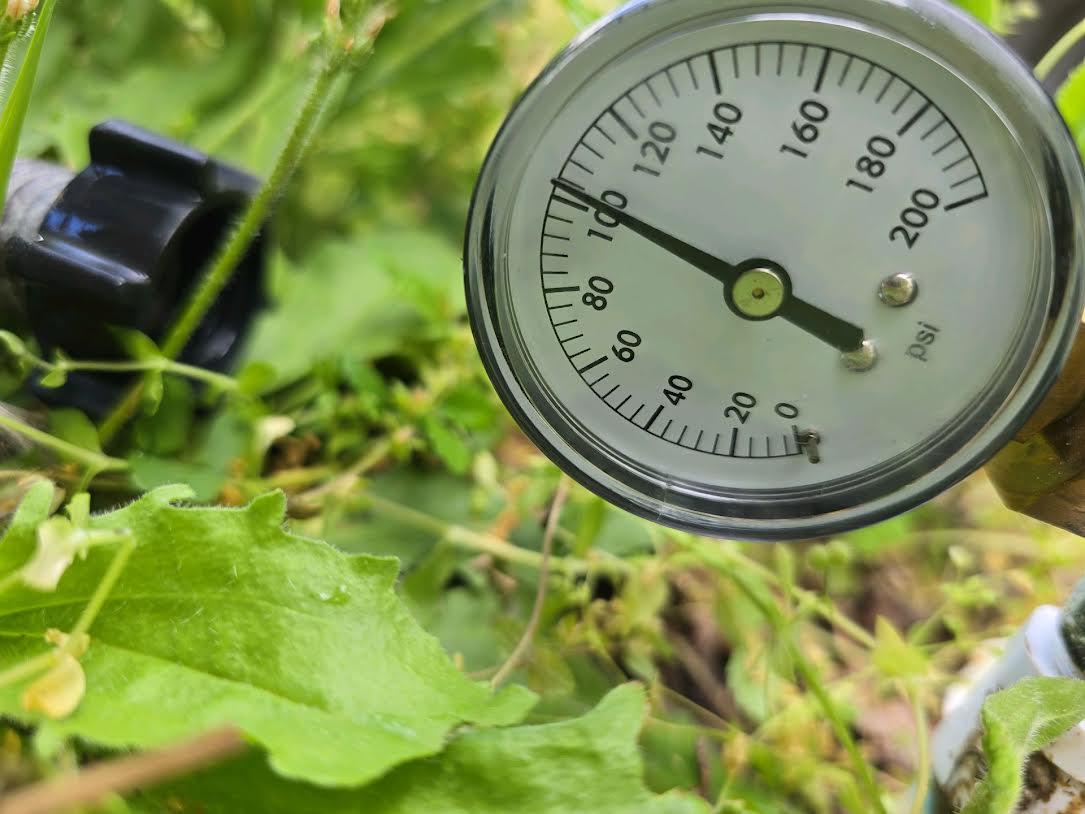
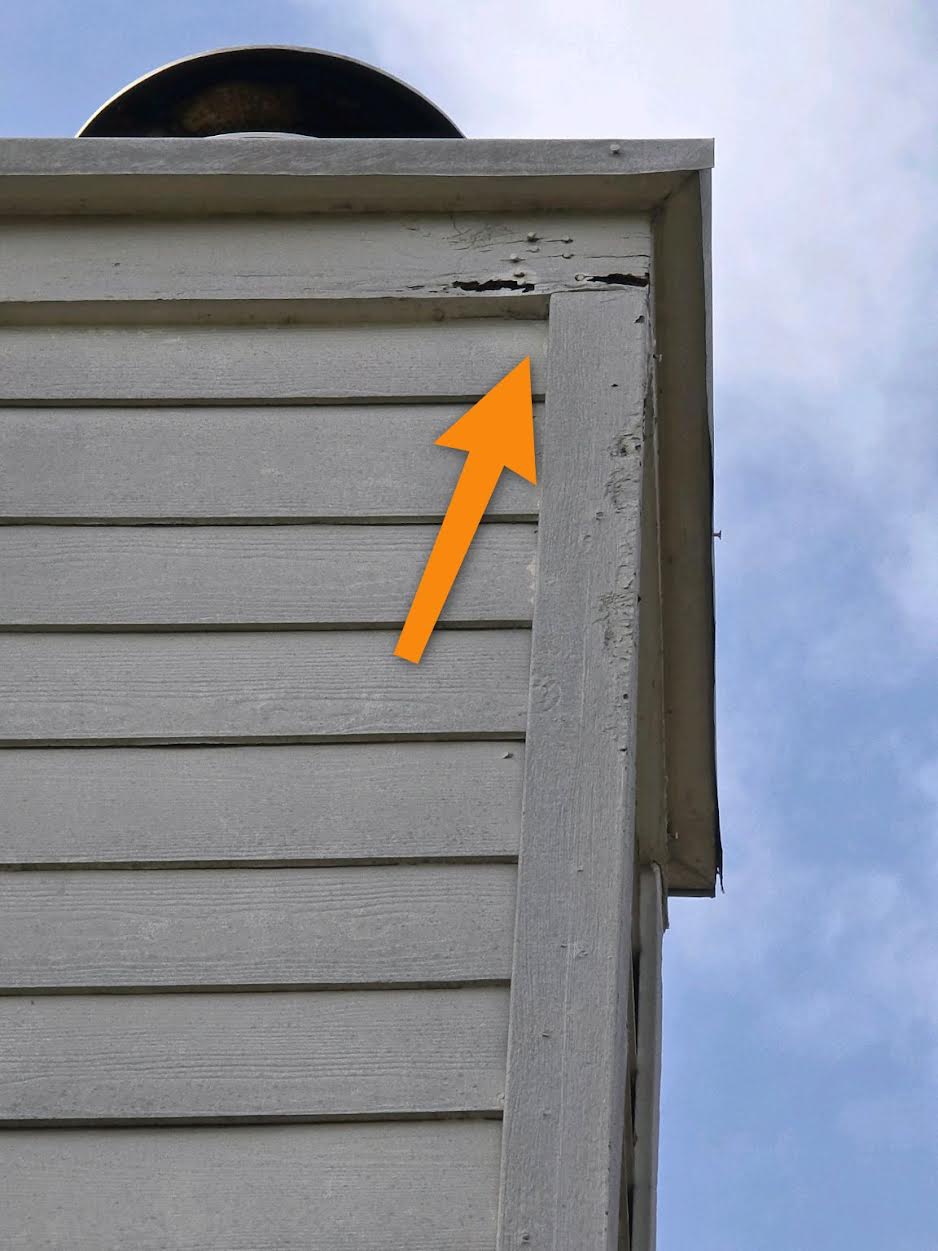
Actual findings documented on RTI inspections across North Texas.
Why an Irrigation System Deserves a Closer Look
A sprinkler system is one of those things that either works or it does not, and most homeowners find out the hard way. A broken head waters the sidewalk for a year before anyone notices. A cracked line runs constantly underground, swelling the water bill and leaving a soft spot in the yard that the previous owner explained away as “just the soil.”
In North Texas, where summer water bills get serious and clay soil hides leaks easily, that matters more than it does in most places. An irrigation inspection is one of the simpler add-ons RTI offers and one of the most cost-effective. It can pay for itself in a single billing cycle.
What the Inspection Covers
RTI turns the system on and evaluates it the way it actually runs: system operation, coverage, and the condition of visible components. Anything that is not performing as it should is documented with photos and a plain description of what RTI observed, so you know what you are inheriting before you own it.
What This Inspection Does Not Cover
An irrigation inspection is a functional and visual evaluation of the system as it operates on the day of the inspection. It is not a hydrostatic pressure test, an underground leak detection survey, a precipitation rate audit, or a backflow certification. Those are separate services a licensed irrigator performs. If the system is winterized or shut down for the season, certain elements cannot be evaluated, and that is noted in the report.
If a serious issue turns up, RTI recommends bringing in a licensed irrigator. In Texas, irrigation repair work is regulated and should be done by a licensed irrigator, not a general handyman.
Add an Irrigation Inspection to Your Visit
A lawn irrigation inspection is a flat $50 add-on to a home inspection or new construction inspection on the same property, and it typically adds 20 to 30 minutes to the visit. Final pricing is confirmed when you schedule.
Findings are included in your report alongside the rest of the home inspection results. If you are buying a home with an irrigation system in Anna, Melissa, or anywhere in North Texas, adding the irrigation inspection is one of the easiest ways to avoid inheriting a system you cannot rely on.
Questions about the lawn irrigation inspection
Answers grounded in the Texas Real Estate Commission Standards of Practice that every licensed inspector in the state follows.
What does the Texas standard require an irrigation inspection to include?
Under section 535.233, the inspector manually operates every zone through the controller and reports as deficient the absence of a rain or moisture sensor, inoperative zone valves, surface water leaks, the absence of a backflow prevention device, the absence of shutoff valves between the meter and the backflow device, deficiencies in the controller's performance and mounting, missing or damaged components, and problems with spray heads, rotors, bubblers, and drip lines.
Why is a missing rain sensor reported as a deficiency?
Because the standards say so, and because Texas has required a rain or freeze sensor on new irrigation systems for years. Without one the system runs during and after storms, which wastes water and keeps the soil against the foundation saturated. The inspector reports whether a sensor is present but is not required to verify that it works.
Does the inspector check whether the sprinklers cover the whole lawn?
No. The standards specifically do not require an inspector to evaluate effective coverage, the automatic programming of the controller, or the effectiveness of rain, freeze, or flow sensors. The inspection is about whether each zone operates and whether the visible components are intact and leak-free. A licensed irrigator performs coverage audits and system redesign.
What about the underground pipes and valves?
The standards do not require an inspector to report on the performance of an underground zone or to locate buried leaks. Surface leaks, soft or wet ground while a zone runs, and a valve box holding water are all reported, and they are the usual signs that something below grade needs a licensed irrigator's attention.
What is a backflow preventer and why does it matter?
A backflow preventer is the assembly between the water meter and the irrigation system that stops lawn water, along with any fertilizer or bacteria in it, from siphoning back into the household drinking water supply. Its absence is a required deficiency under the standards. Many North Texas cities also require the assembly to be tested periodically by a licensed tester, which is separate from the inspection.
Can sprinklers damage a foundation?
Yes, and it is one of the more common ways it happens on clay soil. A head aimed at the slab or a zone that runs long enough to keep the soil against the house wet changes how the expansive clay moves relative to the rest of the lot. The irrigation inspection reports heads that are broken, misaligned, or spraying the house, and the home inspection reports grading and drainage that are not performing.
Are drip lines and bubblers inspected?
Yes. The standards define water emission devices to include spray heads, rotary heads, bubblers, and drip lines, and deficiencies in their performance are reported. Drip zones are run through the controller like any other zone. Because drip tubing is often under mulch, only what is visible or shows as a surface leak can be evaluated.
The job is not complete until you feel comfortable and all of your questions and concerns are answered.