
Pool & Spa Inspections in McKinney, Prosper & Melissa, TX
Pool and spa inspections, added to your home inspection, in McKinney, Prosper, Melissa, Anna, Gunter, Van Alstyne, Sherman, and surrounding communities.
Questions first? Call (972) 849-6690Text Your Inspector
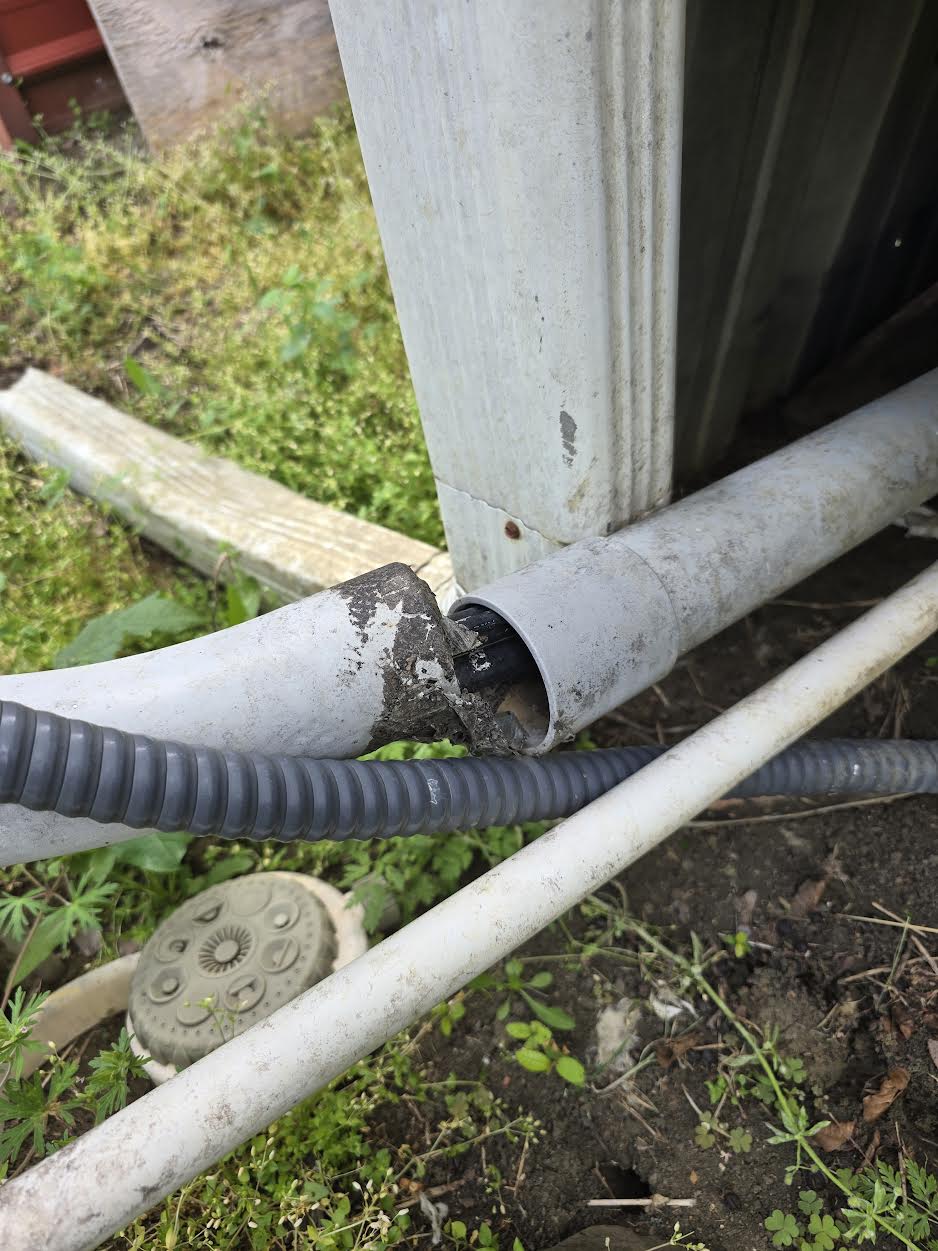
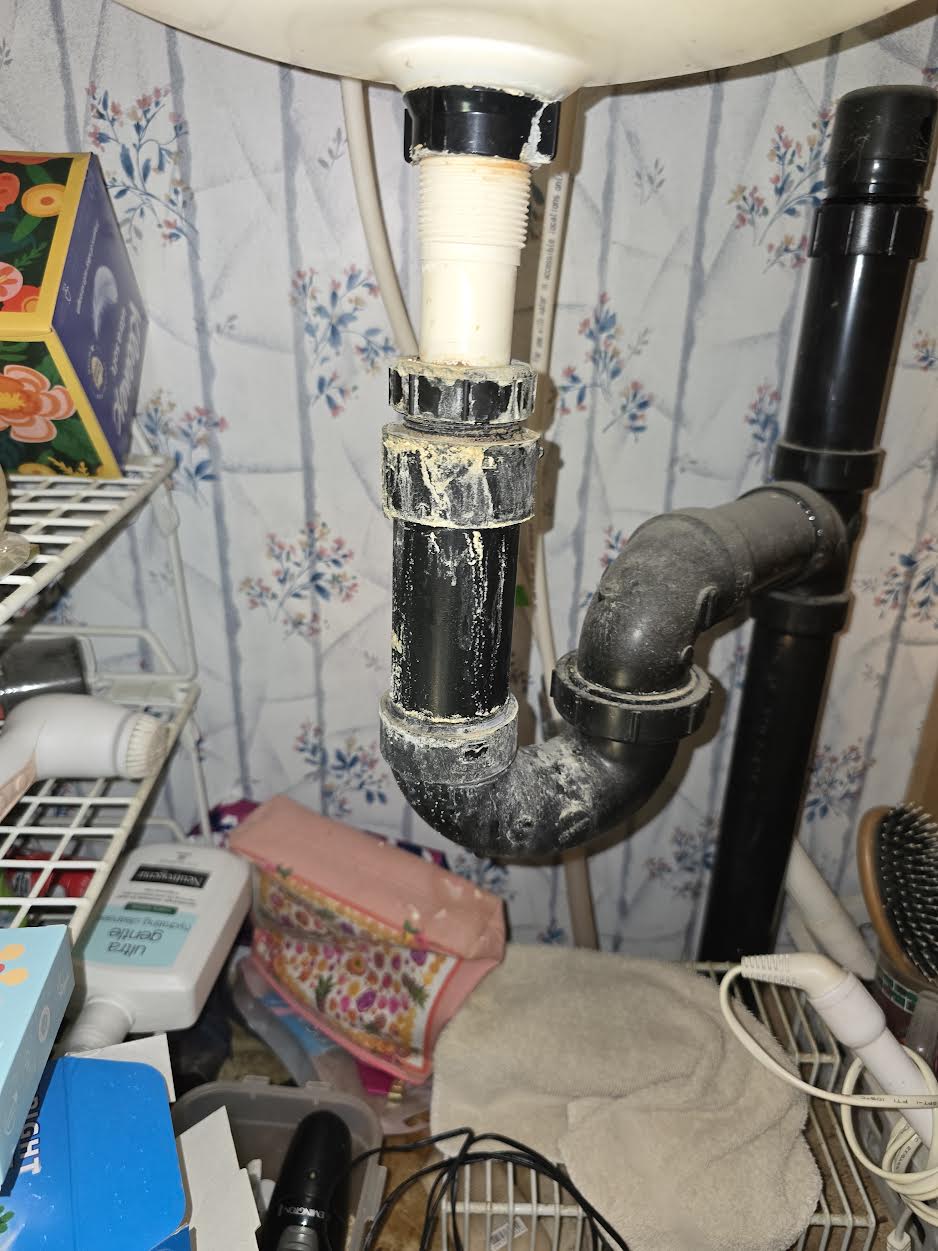
Actual findings documented on RTI inspections across North Texas.
Why a Pool Deserves Its Own Inspection
A backyard pool can add real value to a North Texas home, or it can be the most expensive surprise of the first year of ownership. Pools are mechanical systems with pumps, filters, heaters, plumbing, and electrical components that wear, leak, and fail. Unlike most systems in a house, pool equipment lives outdoors and runs constantly, which means it ages fast. A pool that looks great with the cover off and the water clear can have a failing heater, a cracked filter housing, or bonding and grounding issues that will be costly to address. None of that is visible to the untrained eye, and a standard home inspection does not cover it in the depth a pool requires.
I evaluate the equipment, the safety features, and the visible condition of the pool and spa as part of a dedicated inspection. The goal is the same as the rest of my inspections: tell you what is working, what is not, and what needs attention, so you can make a real decision before closing.
What I Inspect on a Pool and Spa
The inspection covers the equipment pad and the pool itself. On the equipment side, I evaluate the pump and motor for proper operation, leaks, and noise that suggests bearing wear. The filter (cartridge, sand, or DE) is checked for housing condition, pressure readings, and whether it has been maintained. The heater gets inspected for proper venting, gas or electrical connections, and ignition or heating element condition. Plumbing is checked for visible leaks at unions, valves, and fittings, along with the electrical bonding and grounding, which is a critical safety feature on any pool or spa.
On the pool itself, the visible surface is checked for cracking, staining, and signs of structural movement. Coping, tile, and decking get checked for separation, settling, or damage. Skimmers, returns, and main drains are evaluated where accessible. For spas, the jets, blower (if equipped), heater, and controls are checked. Safety features like fencing, gate latches, and pool covers get noted as well. Cleaning equipment, chlorinators, and salt systems sit outside the standard pool scope, so mention them when you schedule if you want them included.
What This Inspection Does Not Cover
It is worth being honest about scope. A pool inspection is a visual and operational evaluation of the equipment and structure as they exist at the time of inspection. It is not a leak detection test, a structural engineering evaluation, or a chemical water quality analysis. If the pool is closed, winterized, or empty, certain components cannot be evaluated and that is noted in the report. If I identify a major concern, I will recommend you bring in a pool contractor or a leak detection specialist for a deeper look before closing.
Scheduling and Pricing
A pool and spa inspection is a flat $75 add-on to a home inspection or new construction inspection on the same property. It is performed on the same visit and typically adds 30 to 45 minutes to the inspection, depending on how much equipment is on the pad. Final pricing is confirmed when you schedule.
The findings are included in your detailed report alongside the rest of the home inspection results, with photos and clear descriptions of every issue, so you have everything in one place when you talk to your agent. Whether you are buying a home with a pool in Anna, Melissa, or anywhere in North Texas, adding the pool inspection is one of the easiest ways to avoid a major surprise.
Questions about the pool & spa inspection
Answers grounded in the Texas Real Estate Commission Standards of Practice that every licensed inspector in the state follows.
What does the Texas standard require a pool inspection to report?
Section 535.233 of the standards covers pools, spas, and hot tubs. The inspector reports the type of construction and reports as deficient a single blockable main drain, pump motors or other electrical equipment that lack bonding, missing or deficient safety barriers, leaks in above- ground pipes and equipment, missing or failed ground-fault protection, and deficiencies in surfaces, tile, coping, decks, steps, rails, drains, skimmers, valves, filters, gauges, pumps, controls, lights, and the heater.
Can the inspection find a leak in the pool shell or the underground plumbing?
No. The standards state that an inspector is not required to determine pool shell or sub-surface leaks, and I do not carry the pressure- testing equipment a leak detection company uses. What the inspection does catch is visible water loss at the equipment pad, wet ground around buried lines, and a filter or pump that is not holding pressure, all of which point toward a specialist evaluation before closing.
Is the pool automation, chlorinator, or salt system included?
Computer controls, covers, chlorinators, chemical dispensers, and water ionization or conditioning equipment are listed in the standards as ancillary equipment that an inspector is not required to inspect. I note the visible condition of that equipment when it is on the pad and will operate a control panel to run the pump, but I do not certify automation or chemistry systems.
What is a single blockable main drain and why is it flagged?
A main drain is the suction fitting at the bottom of the pool or spa. When there is only one and it can be fully covered by a person, suction can hold a swimmer against it, which is an entrapment hazard that has caused drownings. The standards require it to be reported as deficient. The fix is typically a compliant anti-entrapment cover, a second drain, or a safety vacuum release system, which a pool contractor can advise on.
Does the inspection check the pool fence and gates?
Yes. The absence of or deficiencies in safety barriers is a required finding under the standards. That means fencing, self-closing and self- latching gates, and door alarms or barriers between the house and the water where they are present. The inspector does not certify barrier code compliance, but a gate that does not latch or a gap a small child could pass through is reported.
What if the pool is drained, winterized, or green?
The standards do not require an inspector to inspect a system that has been winterized, shut down, or otherwise secured, or to fill a pool to test it. Equipment that cannot be run is noted as not inspected. A green pool can still be operated and the equipment evaluated, but the surfaces below the waterline cannot be seen. Ask the seller to have the pool running and clear before the appointment.
Is a pool inspection part of a standard home inspection?
No. The Texas standards list swimming pools and spas among optional systems that an inspector is not required to inspect unless the client and inspector agree to include them. That is why it is a separate add-on. When it is added, the general provisions of the standards and the specific pool requirements both apply to the visit.
The job is not complete until you feel comfortable and all of your questions and concerns are answered.