New Construction Inspections in Prosper, Anna & Melissa, TX
Independent inspections of new homes before closing in Prosper, Anna, Melissa, Celina, McKinney, Gunter, Van Alstyne, Sherman, and surrounding communities.
Questions first? Call (972) 849-6690Text Your Inspector
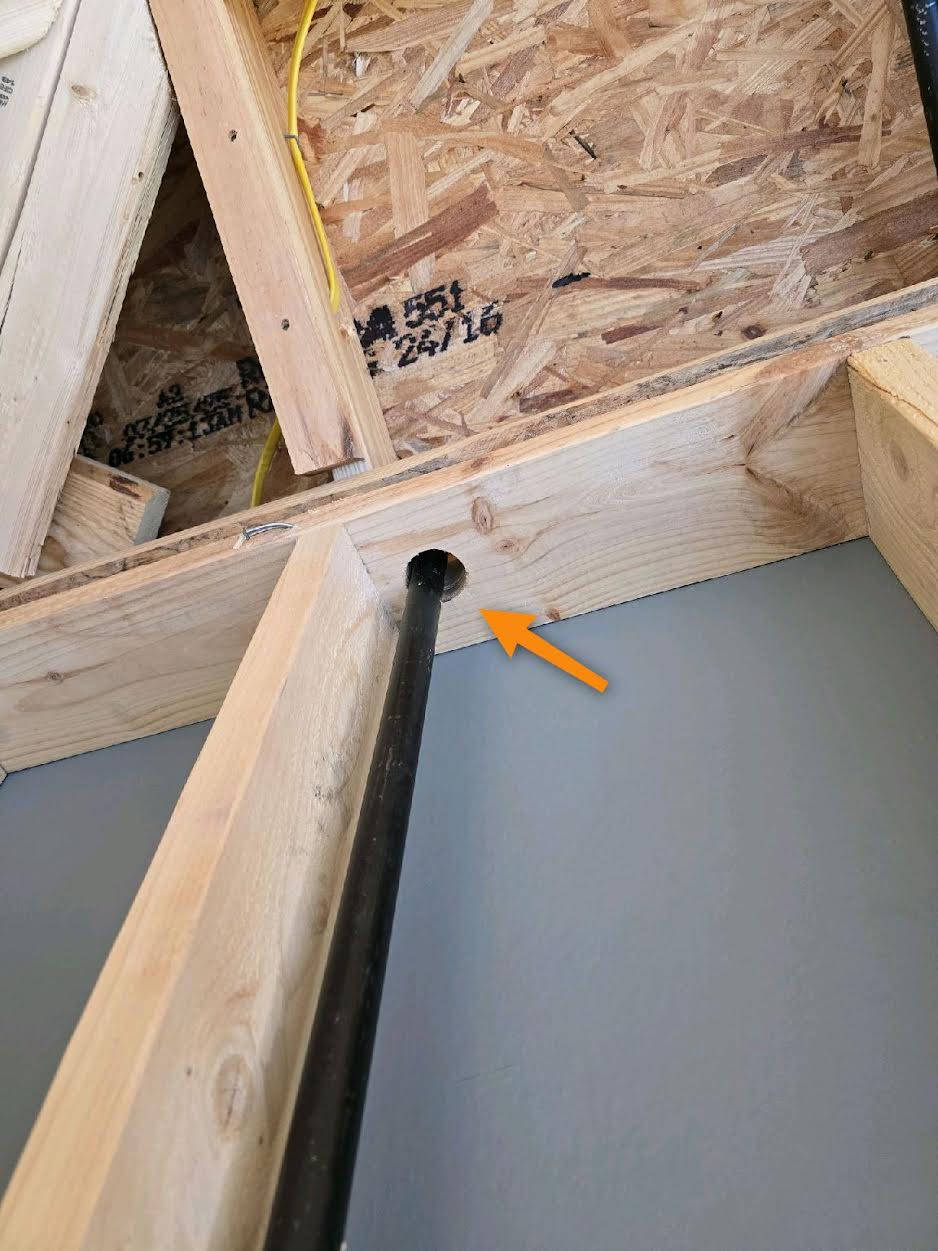
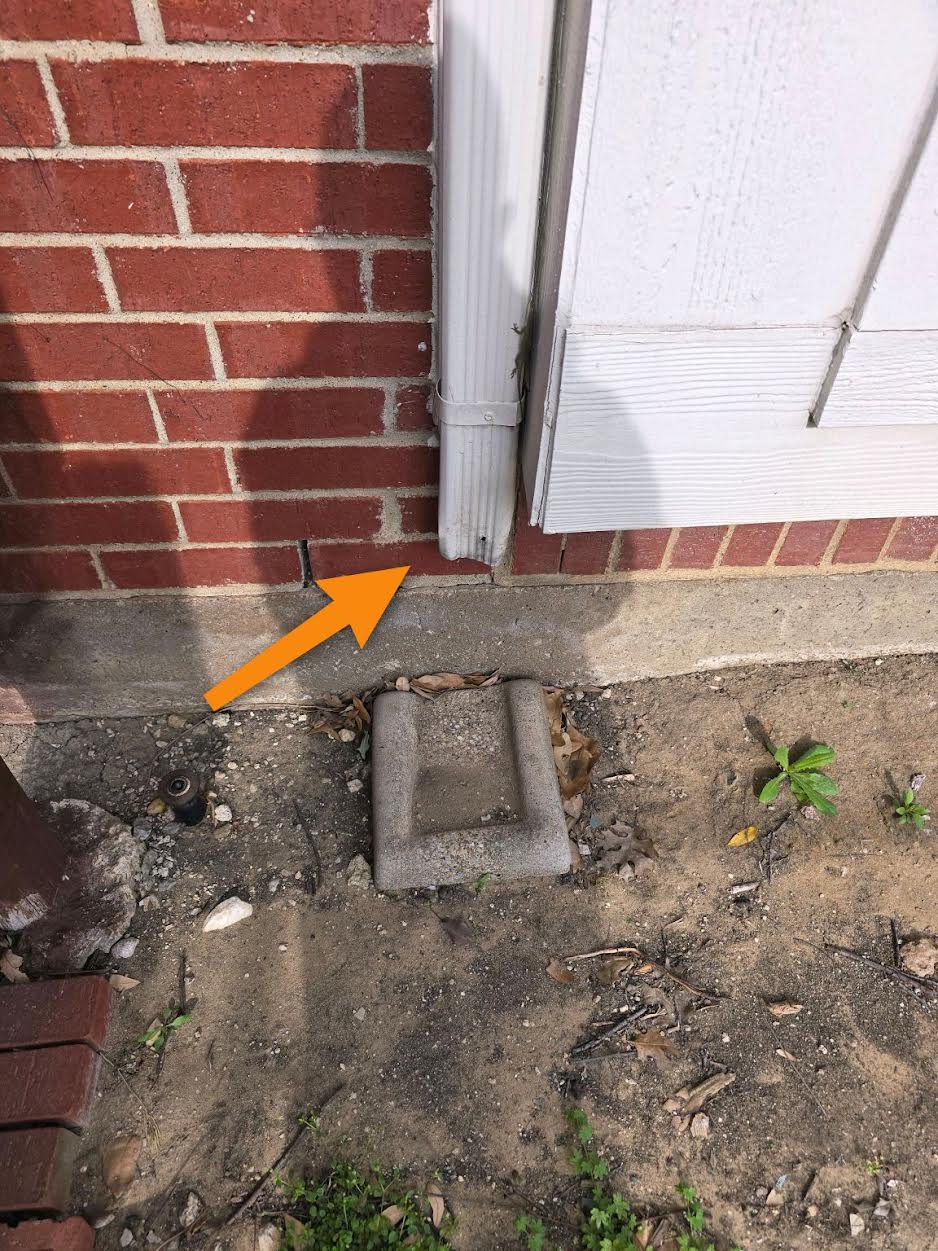
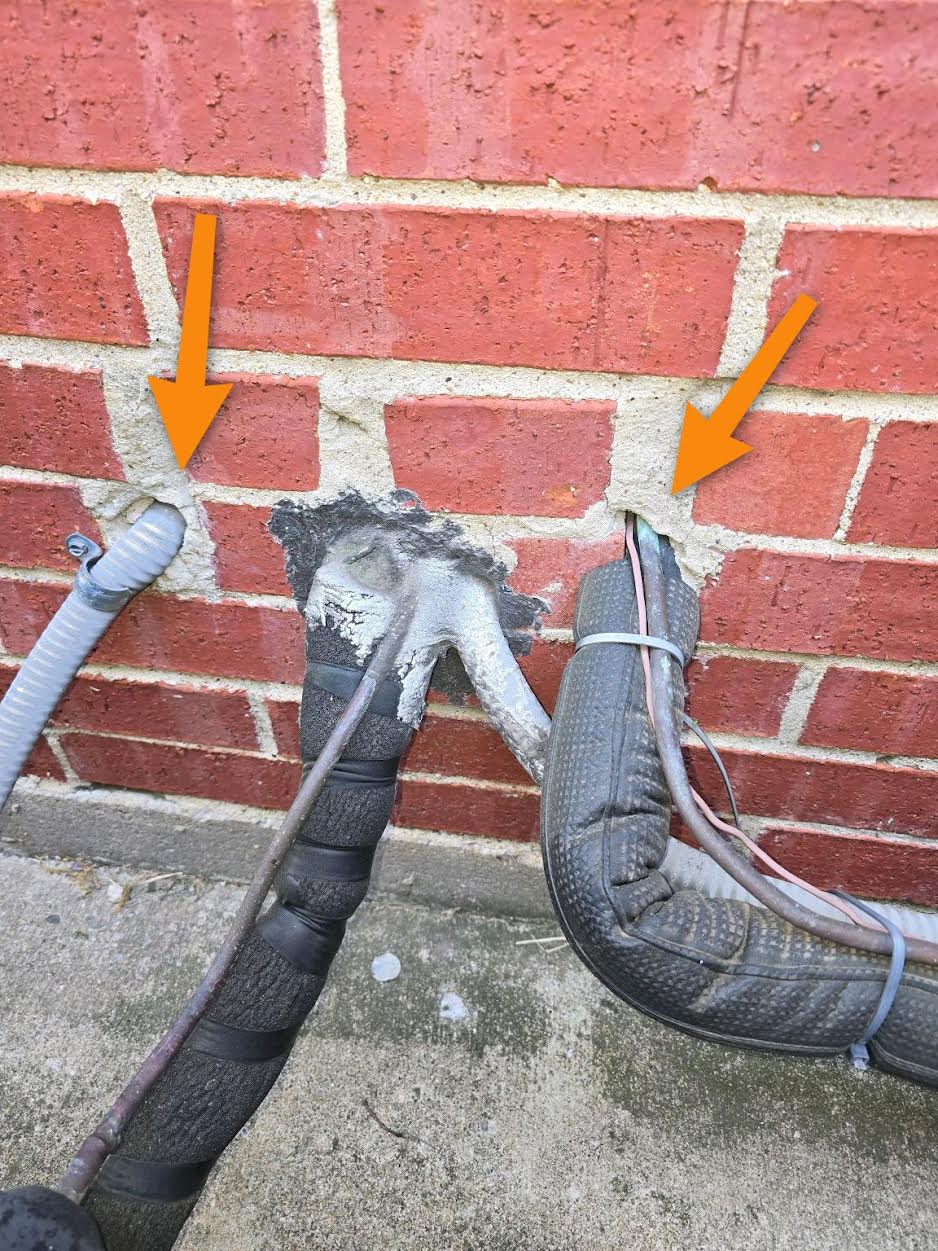
Actual findings documented on RTI inspections across North Texas.
Why a New Construction Home Still Needs an Independent Inspection
It is a common misconception that a brand-new home does not need an inspection. The reasoning sounds reasonable on the surface: the city sent inspectors out at every phase, the builder has their own quality control team, and everything is brand new. Why pay someone to look it over again? The answer is that municipal inspectors and builder QC have different jobs than an independent home inspector. City inspectors verify that a home meets minimum building code, which is a much lower bar than most homeowners assume. Builder QC works for the builder, not for you. Their incentive is to close out the home, not to find every flaw in it.
An independent new construction inspection is the only point in the process where someone is on site looking at the home from your perspective as the buyer. Robert spent more than 30 years in residential construction before becoming a TREC-licensed inspector, so he knows how the work actually gets done in the field. He knows where corners get cut when a crew is rushed, where subcontractors hand off work without coordinating, and where a fresh coat of paint can hide problems that will surface within the first year.
What RTI Finds on New Construction Inspections
People are often surprised by how many issues turn up on a brand-new home. The volume of new construction in North Texas, particularly in Collin County suburbs like Anna, Melissa, and Prosper, means crews are working fast across many job sites at once. Quality varies. Some of the more common findings on new builds include improperly installed roof flashing, missing or shallow attic insulation, HVAC ducting that is crimped, poorly supported, or disconnected, plumbing fixtures that leak under pressure, electrical outlets that are reverse-wired or missing GFCI protection, grading issues that direct water toward the foundation, and other items that do not meet the standard the builder is charging you for.
None of these are catastrophic on their own. Most are entirely fixable. The point of the inspection is to identify them while you still have leverage with the builder, before you sign off on the final walkthrough and accept the home as-is.
When to Schedule the Inspection
The ideal time for a new construction inspection is after the home is substantially complete but before your final walkthrough with the builder, typically a few days to a week before closing. This timing gives the builder enough notice to address findings before you take possession, and it gives you a documented list of issues to discuss at the walkthrough.
If you want maximum protection on a new build, consider booking all three inspection points: a pre-drywall inspection while the framing, plumbing, and electrical are still exposed, a final new construction inspection before closing, and an 11-month warranty inspection before your one-year builder warranty expires. RTI offers these together as the New Build Bundle at a reduced rate compared to booking each separately. Buyers who bring RTI in before the foundation is poured can also add a pre-pour inspection of the prepared slab.
Timing, Reports, and Pricing
A new construction inspection follows the same TREC scope as any home inspection: structure, roof, electrical, plumbing, HVAC, and built-in appliances. What changes is the timing and the angle, because Robert is looking specifically for what comes out of rushed installation and uncoordinated subcontractors.
The inspection takes 3 to 4 hours for most new builds, depending on size and complexity, and you are welcome to walk along. You will receive a detailed report within 24 hours, with photos and clear descriptions of every finding, ready to share with your builder, to bring to your final walkthrough, or to hand to your real estate agent. Pricing is based on square footage, so contact RTI for current pricing on your property.
What this inspection turns up
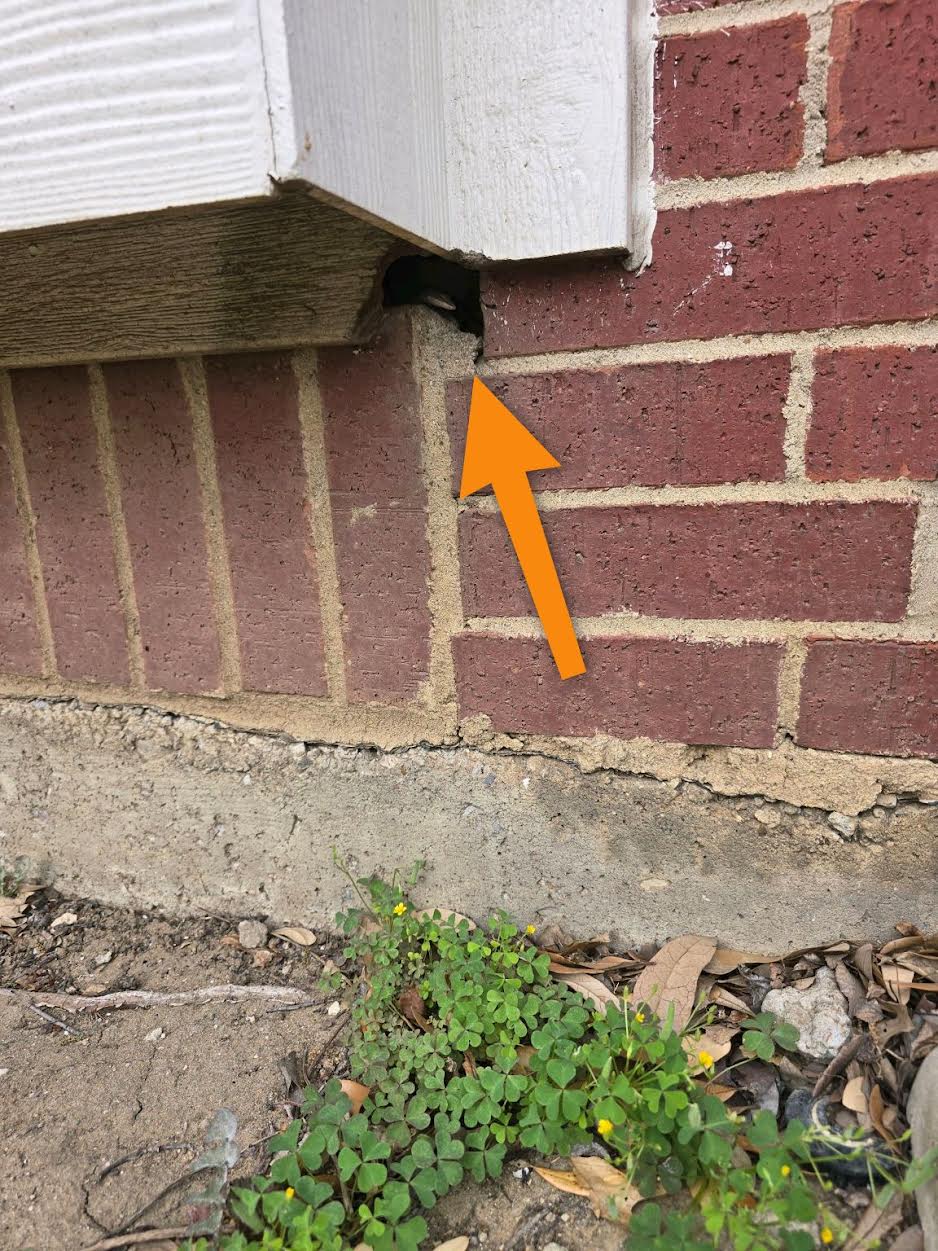
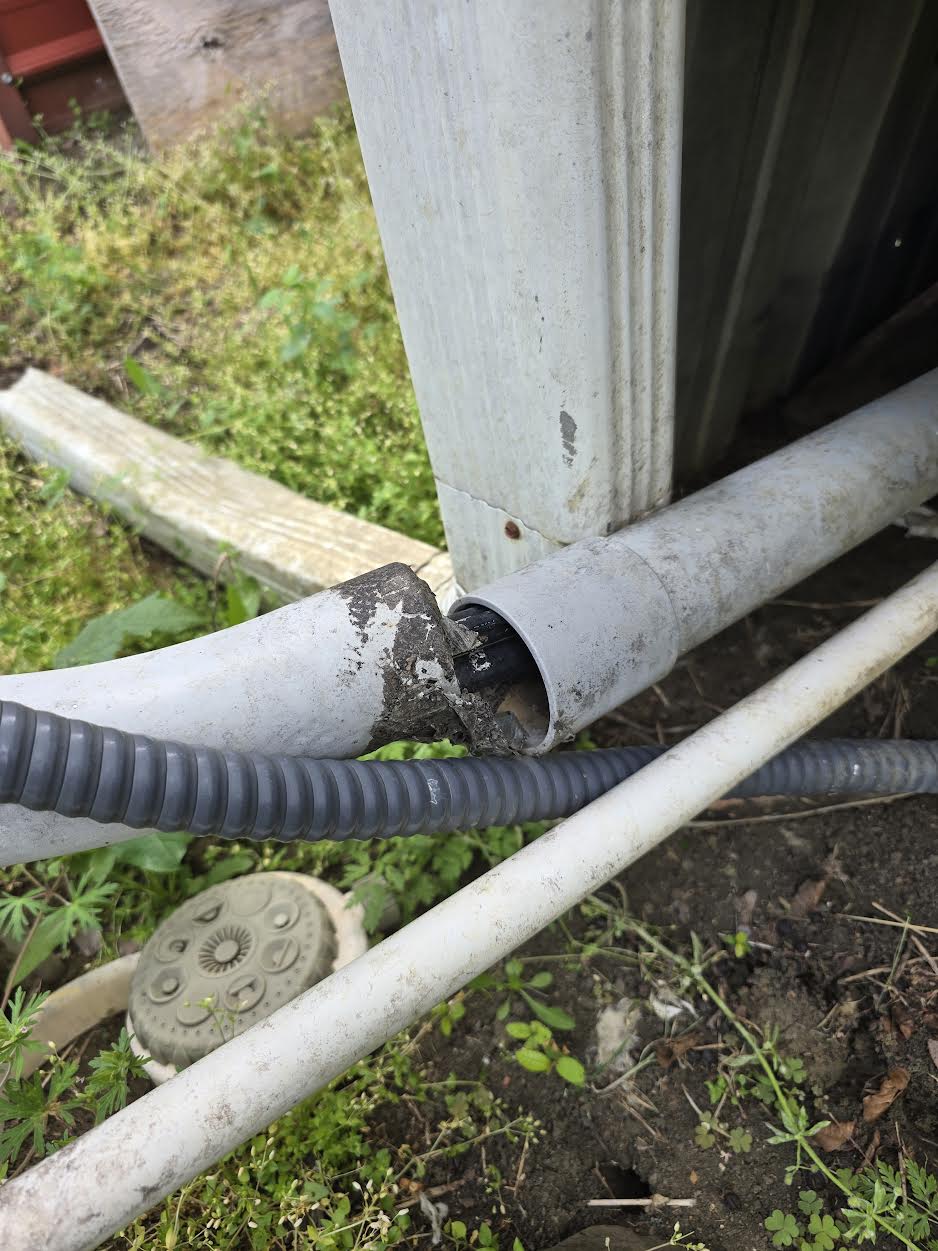
Actual findings documented on RTI inspections across North Texas. Every finding is photographed and explained in your report.
Questions about the new construction inspection
Answers grounded in the Texas Real Estate Commission Standards of Practice that every licensed inspector in the state follows.
What is the difference between the city inspection and a TREC inspection on a new home?
Municipal inspectors check specific stages against the building code and move on. A TREC inspection is a performance evaluation of the finished house: every accessible system is operated with its normal controls, the cooling temperature split is measured, receptacles are tested, appliances are run, and deficiencies are reported on the state form. The Texas standards do not ask an inspector to determine code compliance, and RTI does not, so the two inspections answer different questions.
Do the utilities need to be on for a new construction inspection?
Yes. Electricity, water, and gas must be live and the appliances installed, because the standards require equipment to be operated in at least one mode. An inspector is not required to turn on utilities or light pilots, so a system that is off cannot be evaluated and would be noted as not inspected. Schedule the visit after the builder confirms the home is substantially complete.
Are the appliances tested in a brand-new home?
Yes. The standards require the dishwasher, disposal, range hood, cooktop, oven, built-in microwave, bathroom exhaust fans, dryer exhaust, and garage door operator to be operated and checked. That includes oven thermostat accuracy within 25 degrees at a 350 degree setting, the anti-tip device on the range, the auto-reverse and photo sensors on the garage door, and whether exhaust ducts actually terminate outside.
What if the builder says an outside inspector is not allowed?
Read your purchase contract. Most North Texas builders permit an independent inspection with notice, and a TREC-licensed inspector follows the site's safety rules and does not interfere with the work. If a builder refuses outright, that is worth knowing before you sign. Telling the builder at contract that you intend to bring your own inspector avoids the argument later.
Is the inspection the same as the builder's final walkthrough?
No. The walkthrough is a builder-led orientation that mostly catches cosmetic items, and it usually happens after the inspection deadline has passed. An independent inspection looks at performance and safety in the systems you cannot see on a walkthrough: the attic, the panel, the water heater, the drain configuration, and the roof. Bring the report to the walkthrough so the list is already in writing.
What does the inspector check in the attic of a new build?
The report records the vantage point and the approximate average insulation depth, and missing insulation is reported as deficient. The inspector looks for ventilation that is not performing, damaged or unsupported ducts, missing duct insulation, gas piping or sewer vents concealed in ducts, deflections in the framing or decking, and water in the secondary drain pan under the air handler.
Can the inspector tell me whether the home meets code?
No, and no Texas inspector can under the standards, which state that an inspector is not required to determine compliance with any code. What the report gives you is a list of conditions that affect performance or safety, described and photographed. The builder is responsible for code compliance and the city verifies it. Your inspection is the check on workmanship and function from your side.
The job is not complete until you feel comfortable and all of your questions and concerns are answered.