
Pre-Pour Inspections in Celina, Prosper & Anna, TX
Foundation inspections before the pour for new homes in Celina, Prosper, Anna, Melissa, McKinney, Gunter, Van Alstyne, Sherman, and surrounding communities.
Questions first? Call (972) 849-6690Text Your Inspector
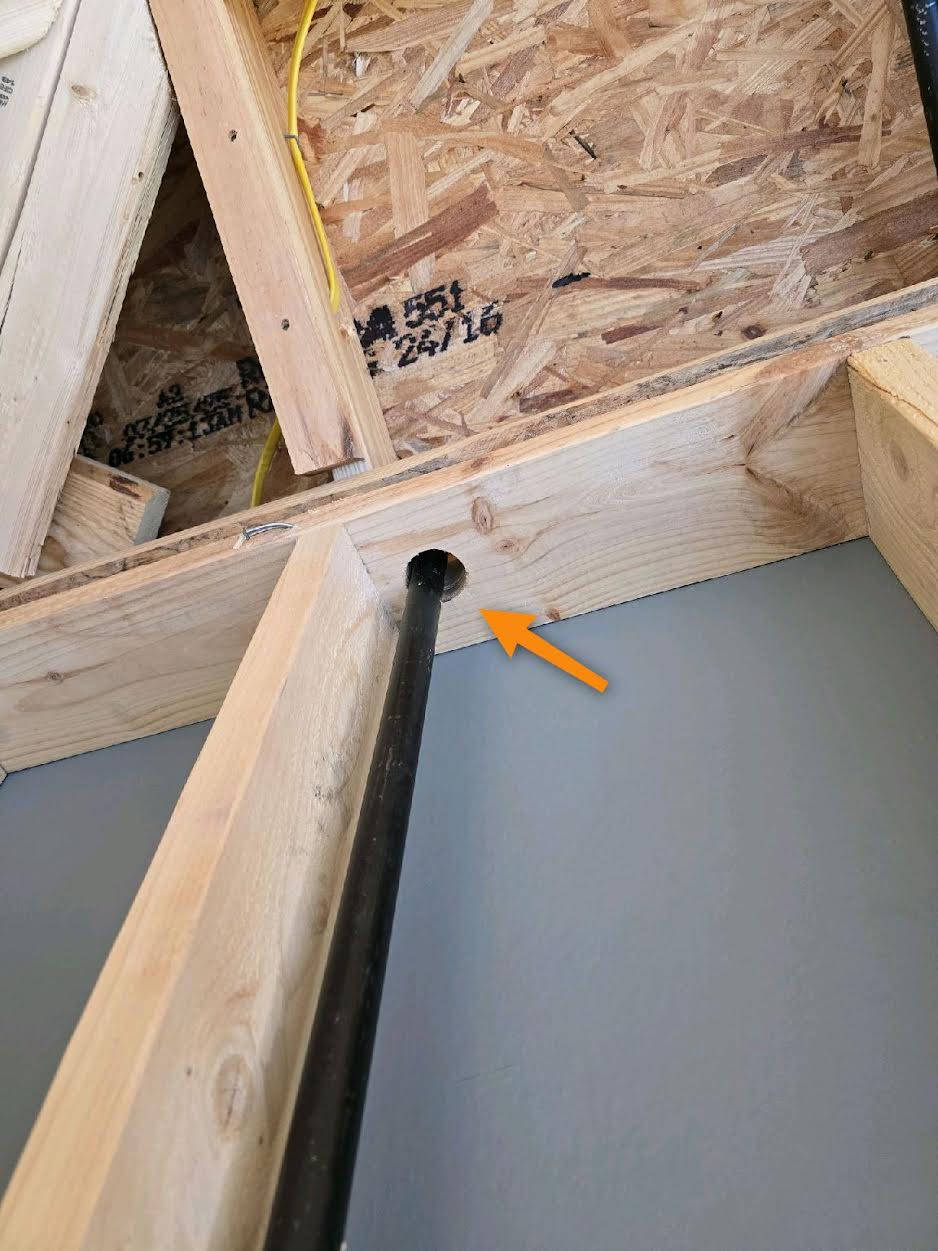
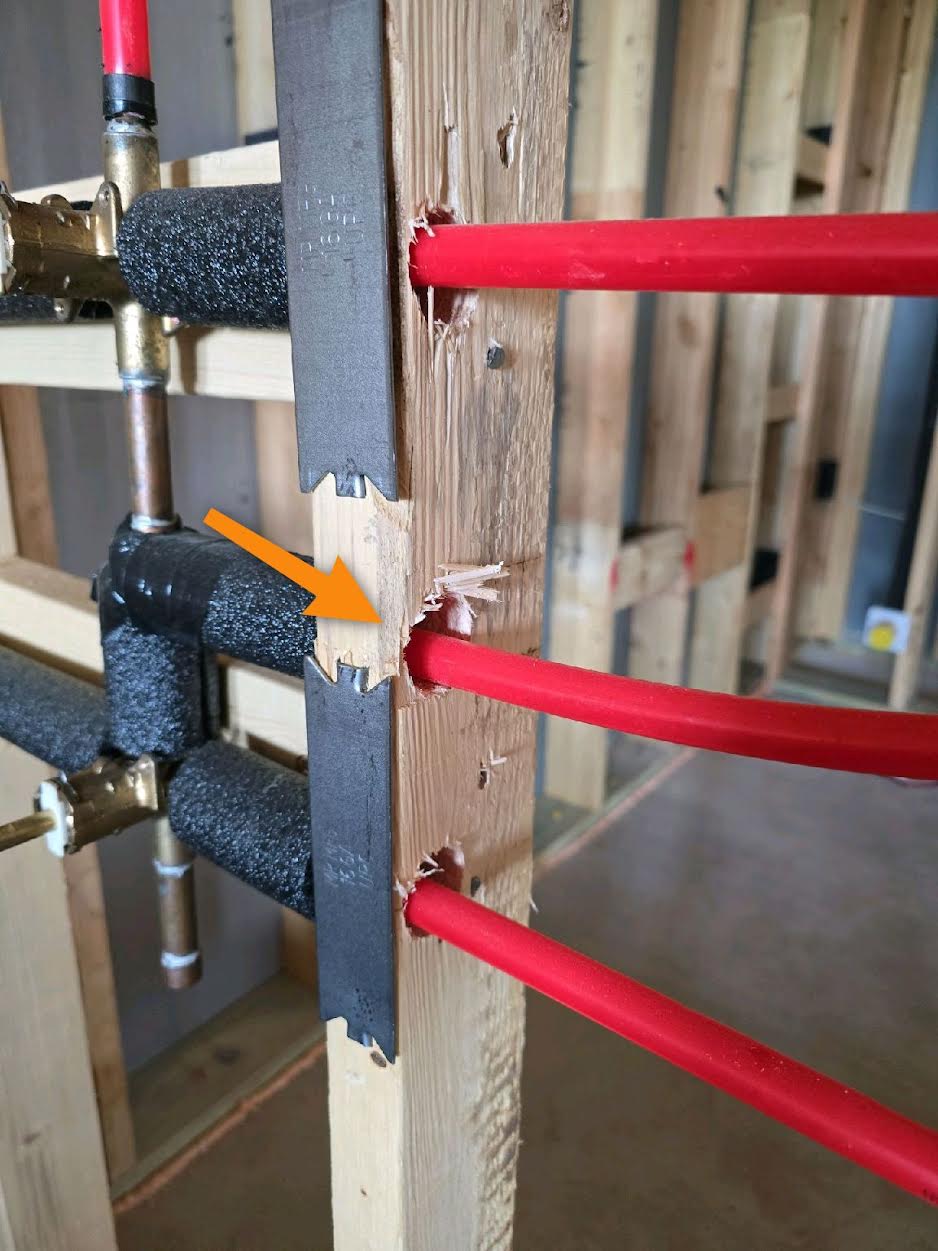
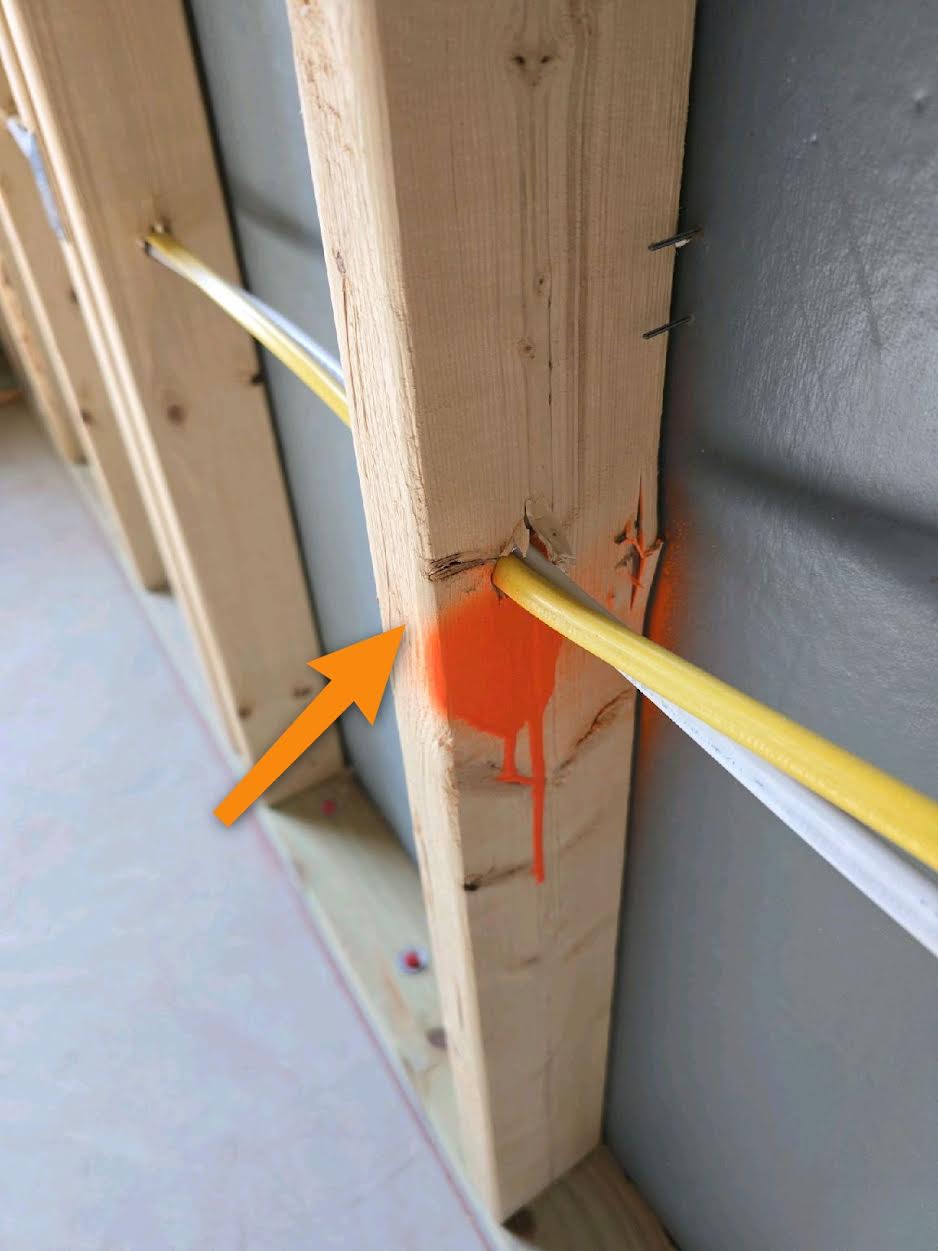
Actual findings documented on RTI inspections across North Texas.
What a Pre-Pour Inspection Is
A pre-pour inspection happens at the very start of a new build, after the foundation has been prepared but before any concrete is placed. At that point the lot holds a shallow outline of the house: form boards around the perimeter, trenches for the beams, plumbing lines stubbed up where the kitchen and bathrooms will be, plastic sheeting over the ground, and a grid of steel reinforcement or post-tension cables waiting for concrete. RTI performs pre-pour inspections for new residential construction across North Texas, walking that prepared slab and documenting the visible conditions with photos while everything is still in the open.
If you are building with a production builder or a custom builder, you may never have seen this stage. Most buyers first visit the lot once walls are standing, and by then the foundation is finished.
Why the Timing Matters
Once the concrete is poured, the reinforcement, the plumbing under the slab, the vapor retarder, and the bottom of every beam are sealed inside the foundation. Later inspections can report how the slab is performing, but they cannot see what is inside it.
Before the pour, a displaced cable, a torn section of plastic, or a pipe sitting where it should not is usually a matter of adjusting something on site. After the pour, the same condition is buried. A pre-pour inspection documents the foundation while any correction the builder chooses to make is still relatively accessible.
What RTI May Look At
Not every foundation is built the same way. Many North Texas homes sit on post-tensioned slabs, others use conventional steel reinforcing, and the details vary by builder, engineer, and lot. A pre-pour inspection is a visual inspection of the components and conditions that are accessible on the day of the visit. Depending on the foundation system, that can include:
- Forms. Form boards that appear damaged, poorly braced, out of line, or incomplete.
- Reinforcement. Steel that appears displaced, unsupported, lying on the ground, or missing from an area where the rest of the pattern suggests it belongs.
- Post-tension components, where used. Cables, sheathing, and edge anchors that appear damaged, displaced, or incomplete.
- Beam trenches. Trenches that have caved in, collected water, or hold loose soil and debris.
- Plumbing rough-ins and penetrations. Drain and supply lines that will pass through the future slab, looking for pipes that appear damaged, unsupported, or unprotected.
- Vapor retarder. The plastic sheeting under the slab, looking for tears, gaps, unsealed laps, and openings around penetrations.
- Site conditions. Standing water, mud, trash, or debris in the pour area, and anything about the pad that could affect the pour.
- Anything unusual. Components that appear damaged, incomplete, or out of place and are worth a question to the builder.
RTI documents what it observes and photographs it. The inspection does not include engineering calculations, verification of the engineered design, or a determination of code compliance. Those belong to the builder’s engineer and the municipal inspector. The report is an independent record of what was visible before the concrete went in. The TREC Standards of Practice are written for homes that are substantially complete, so treat this visit as a construction-stage inspection with a photo report rather than a standards inspection.
Where Pre-Pour Fits in the New Construction Sequence
A new build passes through several stages, and each one hides the work of the stage before. The inspections below do not replace each other, because each one sees work the others cannot.
- Pre-pour. Before the foundation concrete is placed. Reinforcement, under-slab plumbing, and the vapor retarder are visible.
- Pre-drywall. After framing and the plumbing, electrical, and HVAC rough-ins, but before insulation and drywall close the walls. The field photos at the top of this page come from this stage on North Texas new builds.
- Final new construction inspection. Near completion, before closing, once the home is substantially complete and every system can be operated.
- 11-month warranty inspection. Near the end of the builder’s one-year warranty, after the house has been through a full cycle of North Texas seasons.
The last three are available together as the New Build Bundle. A pre-pour inspection is booked separately, since it depends on bringing RTI into the project before the slab is poured.
New Construction Across North Texas
The fastest-growing communities in RTI’s area are the ones where buyers are most likely to be watching a slab go in. Prosper became one of the fastest-growing towns in North Texas in about a decade, and Celina, just to the north, is growing along the same Dallas North Tollway corridor. In Anna, master-planned communities like Hurricane Creek have several national builders working sections at the same time. The same growth is moving north through Melissa, Van Alstyne, Gunter, and Sherman, while McKinney keeps adding new sections in communities like Trinity Falls and Painted Tree.
Most of this area sits on expansive clay, and slabs here are engineered for it. Buyers in these communities often have the same home inspected at several stages of construction, and the pre-pour visit comes first.
Your Inspector
Meet Robert Wroblski
Robert spent more than 30 years in residential construction before becoming a TREC-licensed inspector, so he knows what a prepared slab typically looks like on a North Texas job site and where rushed work tends to show. He is not a structural engineer, and a pre-pour visit is not an engineering review. It is a visual inspection for you, the buyer, with a photo report delivered within 24 hours.
Pour dates come up fast and move with the weather. Book as soon as your superintendent says the slab is set, and call for current pricing.

Questions about the pre-pour foundation inspection
Answers grounded in the Texas Real Estate Commission Standards of Practice that every licensed inspector in the state follows.
Is a pre-pour inspection the same as the engineer's foundation inspection?
No. The foundation is designed by the builder's engineer, and on many North Texas builds the engineer or a third-party firm hired by the builder reviews the steel before the pour, alongside any city inspection. Those reviews answer to the builder and the design. RTI's visit is an independent visual inspection for you as the buyer. It does not verify the engineering, check the layout against the plans, or certify the foundation.
Why can the final inspection not see what a pre-pour inspection sees?
The Texas standards do not require an inspector to inspect anything buried, hidden, or concealed, and after the pour almost everything in the foundation is exactly that. The final inspection reports the type of foundation, gives an opinion on its performance from visible indicators like cracks and out-of-square doors, and reports any reinforcement that is exposed or damaged. The steel, the under-slab plumbing, and the vapor retarder are no longer visible.
How much notice should I give RTI for a pre-pour inspection?
As much as you can. The window opens when the forms, steel, and under-slab plumbing are in place and closes when the concrete truck arrives, which can be soon after. Pour dates also move with weather. Ask the superintendent to tell you when the slab is set and the pour is scheduled, then call RTI right away with the lot address and the expected pour date.
Does RTI tell the builder what to fix before the pour?
RTI reports to you. The report describes and photographs the conditions observed, and you decide what to raise with the builder. Corrections, and any question about whether a condition matters to the design, belong to the builder and the builder's engineer. RTI does not direct the trades, approve the slab, or hold up the pour.
Can I be at the lot during the pre-pour inspection?
Yes, and it is worth it if you can make it. Standing at the edge of the forms is the only chance most buyers get to see what their house will sit on. Wear closed-toe shoes, follow the builder's site safety rules, and stay out of the beam trenches and off the steel. Everything RTI notes is photographed for the report either way.
The job is not complete until you feel comfortable and all of your questions and concerns are answered.