
Home Inspections in McKinney, Sherman & Van Alstyne, TX
TREC-licensed inspections for homebuyers and homeowners in McKinney, Sherman, Van Alstyne, Gunter, Anna, Melissa, Prosper, and surrounding communities.
Questions first? Call (972) 849-6690Text Your Inspector
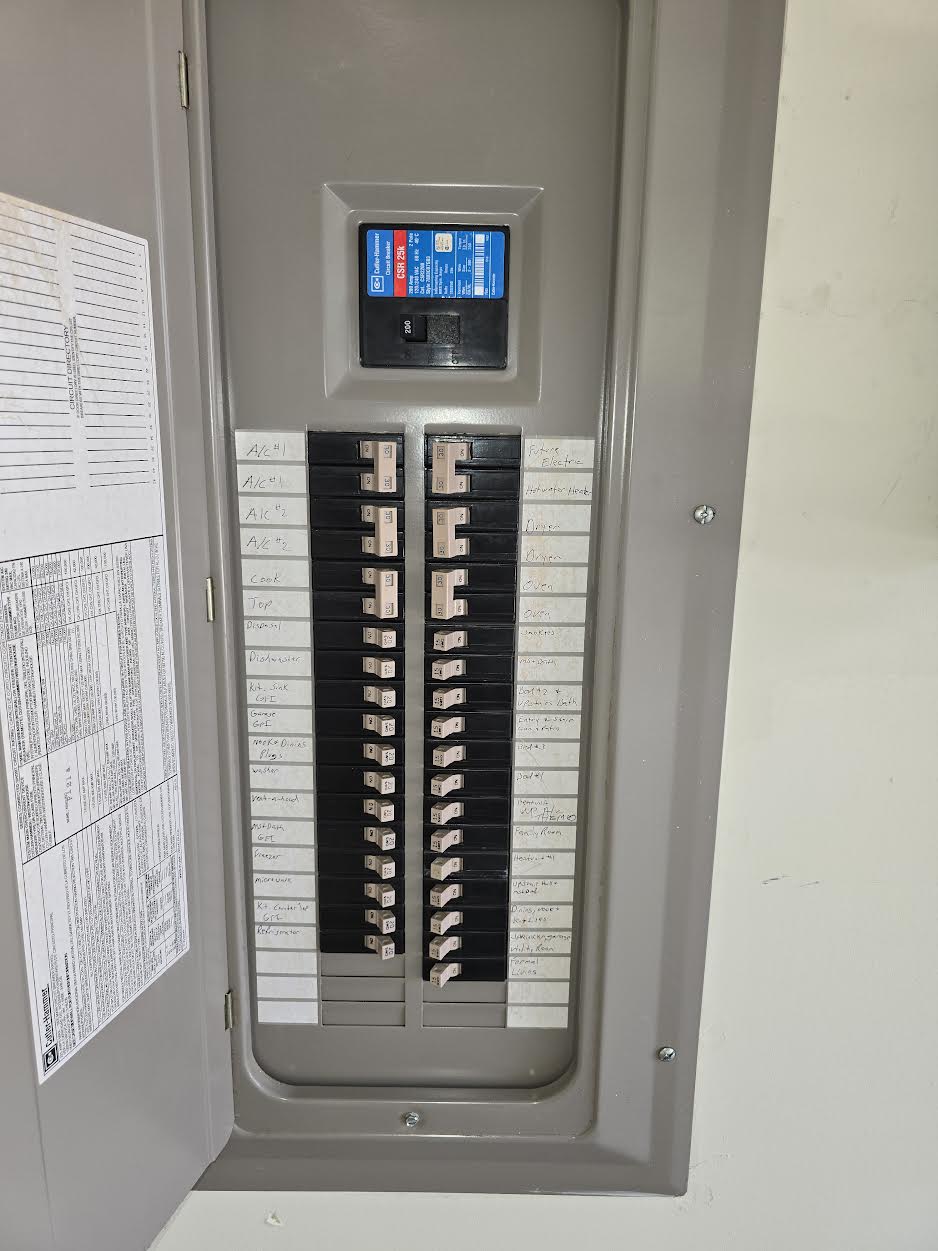
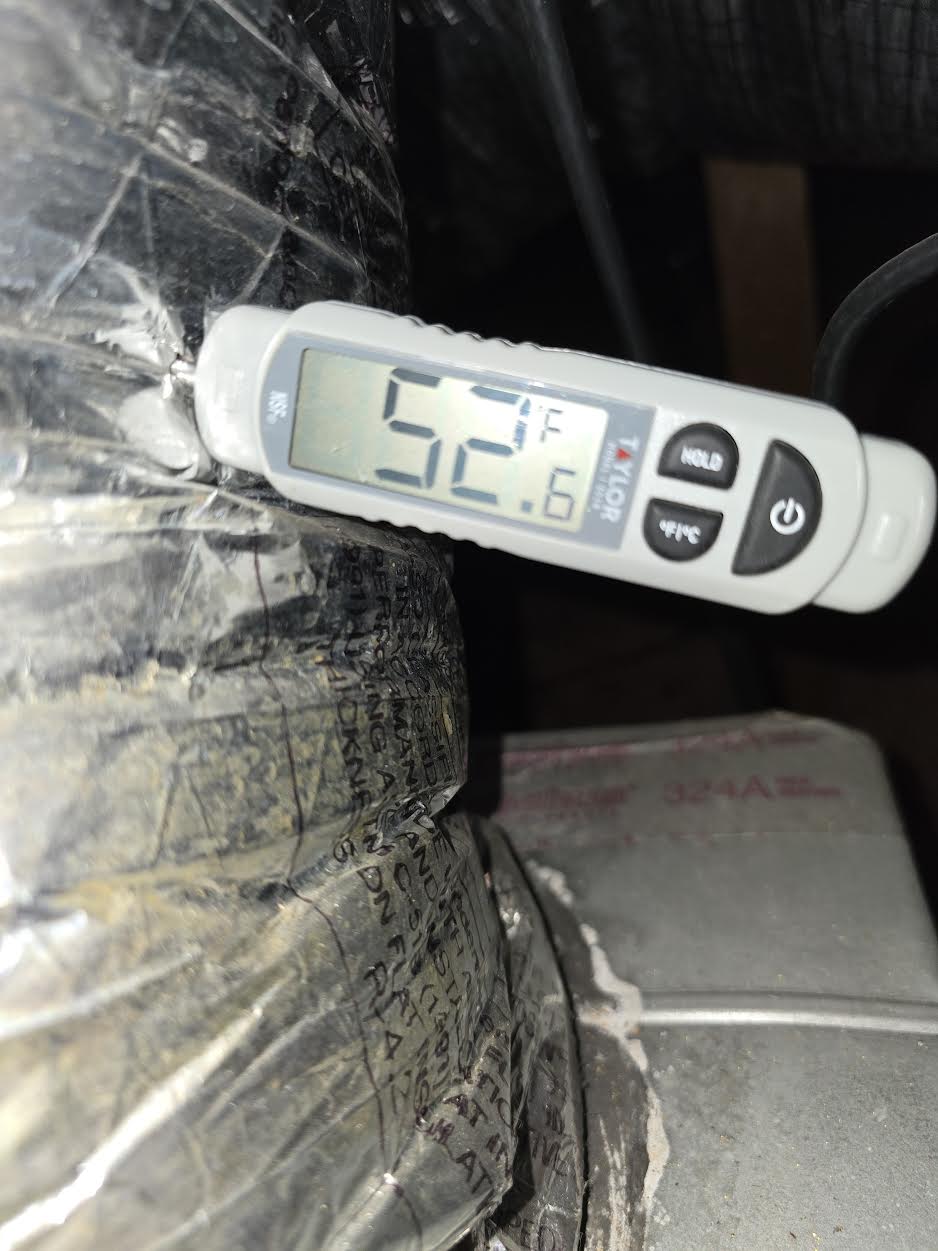
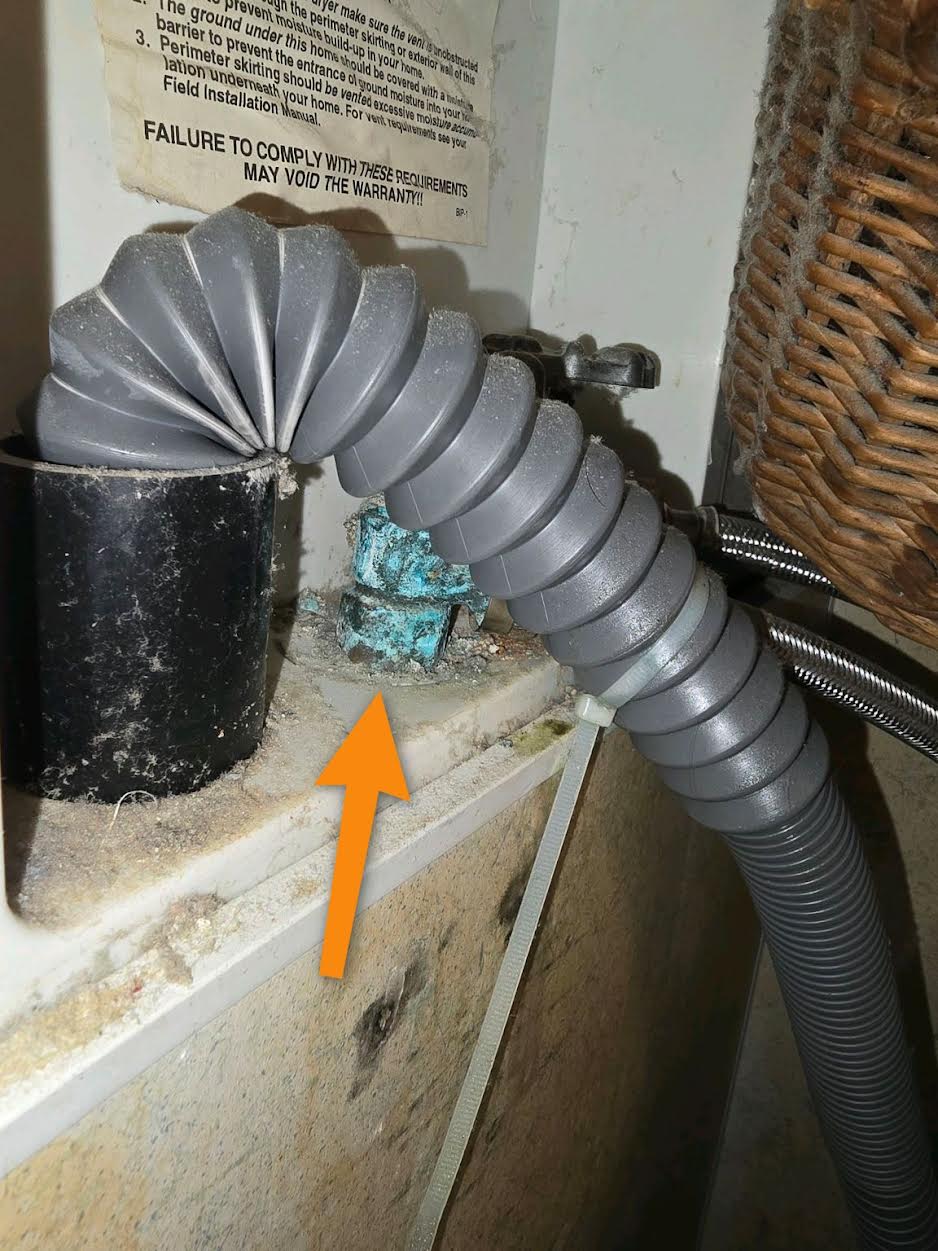
Actual findings documented on RTI inspections across North Texas.
What a Home Inspection Actually Tells You
A home inspection is your one structured opportunity to learn what you are actually buying before you commit to it. For most people, a house is the largest purchase of their life, and the period between an accepted offer and the closing date is often the only window where you can negotiate repairs, request credits, or walk away without penalty. The inspection is what gives you the information to use that window well.
My goal is not to talk you out of the home. A Texas inspection is not a pass or fail test. It is a clear, honest record of the conditions observed in the home’s accessible systems on inspection day: what is working as it should, what is showing wear, what needs attention soon, and what should be addressed before closing. From there, you and your real estate agent can decide how to handle each item.
What I Inspect
Every inspection I do follows the Standards of Practice set by the Texas Real Estate Commission. That means I evaluate the major systems and components of the home in detail. The structural systems include the foundation, framing, grading, drainage, and any visible structural elements in attics or crawl spaces. The roof inspection covers coverings, flashing, drainage, penetrations, chimneys, and skylights, evaluated from the roof itself when safely accessible. Electrical includes the service panel, branch circuits, outlets, fixtures, smoke and carbon monoxide detectors, and GFCI protection. Plumbing covers fixtures, water supply, drain and waste systems, the water heater, and visible piping. HVAC includes the heating and cooling equipment, ductwork, and vents. I also operate the built-in appliances, garage door operators, and exhaust systems that the Standards cover.
The inspection covers what is visible and accessible. I do not open walls, dig up landscaping, or move heavy furniture. If I cannot evaluate something safely or non-destructively, I note it in the report with an explanation of why.
What Makes My Inspections Different
Most home inspectors come from a real estate, engineering, or career-change background. I bring more than 30 years of residential construction experience to every inspection, and that experience changes what an inspection looks like. I look at whether something works today and also at whether it was installed in a way that will hold up. I know which builders cut corners, which materials age well in North Texas heat, and which kinds of repairs are quick fixes versus actual solutions.
I serve home buyers across Anna, Melissa, McKinney, Van Alstyne, Sherman, and the surrounding North Texas communities. You are welcome to walk through the home with me during the inspection. Most clients do, and it is the best way to understand what you are buying. I point out what I am finding as I go, explain what is normal versus what is a real concern, and answer whatever questions come up about the home or about home ownership in general.
What Happens After the Inspection
Within 24 hours of the inspection, you will receive your report delivered as both an online link and a downloadable PDF. The report includes photos of every issue found, written in language a homeowner can actually follow. Items are organized by system and prioritized so it is clear which findings are urgent, which are recommended, and which are routine maintenance you can plan around. Your real estate agent can use the report to negotiate repairs or credits with the seller.
If anything in the report is unclear, or if you want to talk through what something means for negotiation, call or text. I’m available after the inspection to walk through the report with you again.
Scheduling and Pricing
Most inspections take 2 to 4 hours depending on the size and age of the property. Re-inspections to verify completed repairs are available, and add-on services such as pool and spa inspection and lawn irrigation inspection can be bundled with your home inspection at the time of scheduling. Pricing is based on square footage, so contact me for current pricing on your property.
If you are buying new construction or recently bought a brand-new home, see the pages on new construction inspections and 11-month warranty inspections for inspections tailored to those situations.
What this inspection turns up
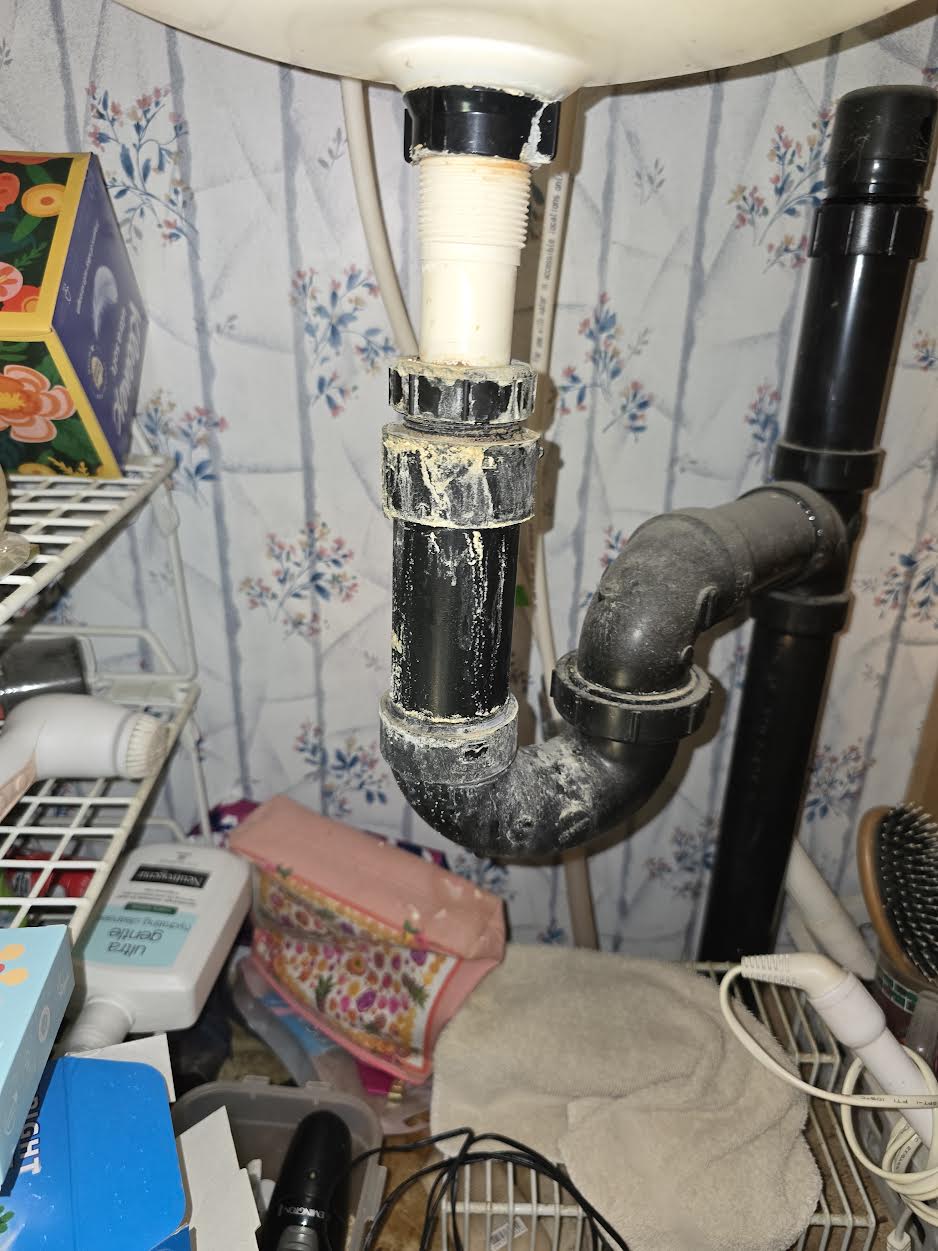

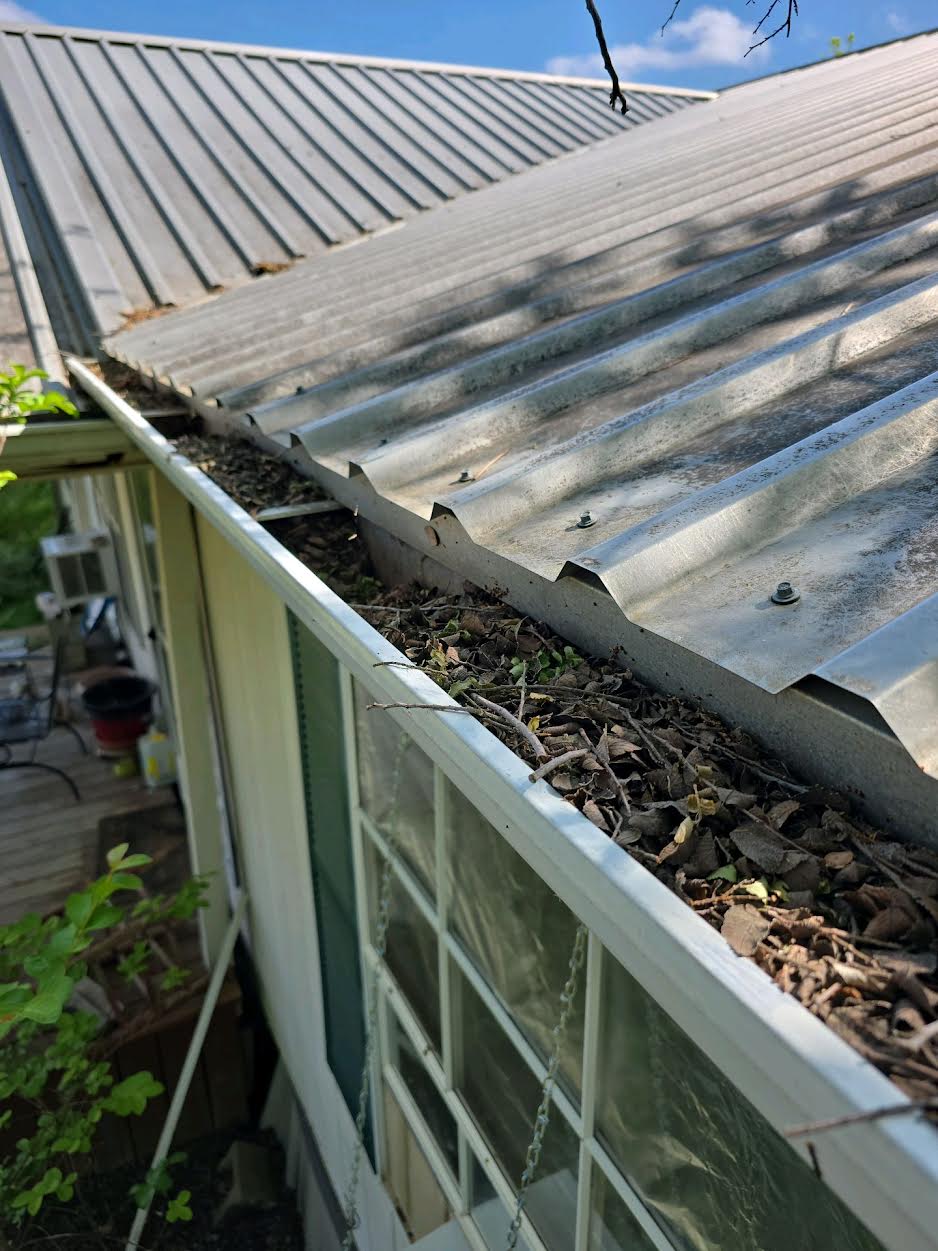
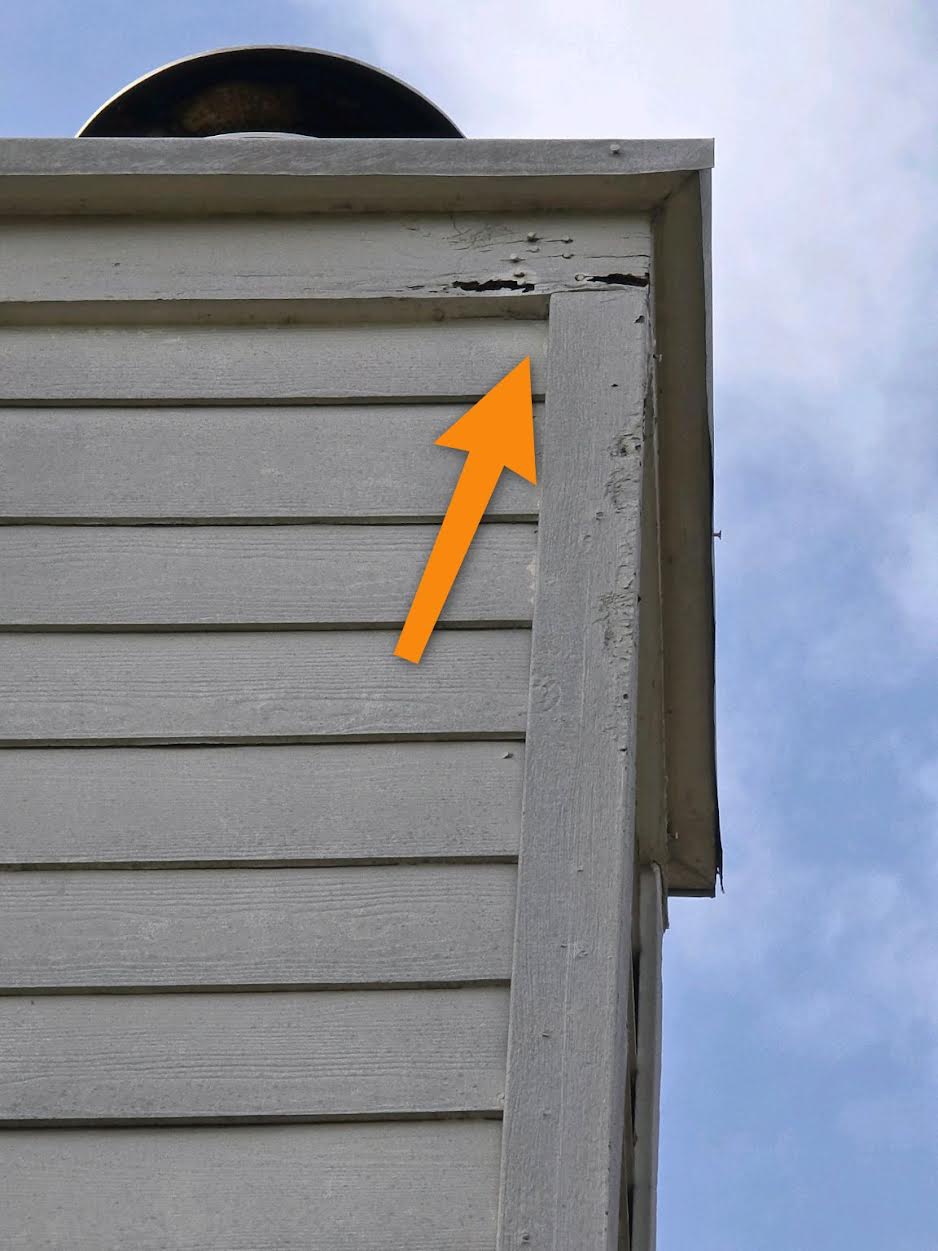
Actual findings documented on RTI inspections across North Texas. Every finding is photographed and explained in your report.
Questions about the home inspection
Answers grounded in the Texas Real Estate Commission Standards of Practice that every licensed inspector in the state follows.
Is a home inspection the same everywhere in Texas?
Every licensed Texas inspector works to the same minimum, the TREC Standards of Practice in 22 TAC 535.227 through 535.233, and reports on the same state-mandated form. The standards define an inspection as a limited visual survey and basic performance evaluation of accessible systems using normal controls. An inspector may go beyond the minimum, and I often do, but nothing required by the standards may be skipped without telling you and noting it in the report.
What does Deficient mean on a Texas inspection report?
Under the standards, a deficiency is a condition that adversely and materially affects the performance of a system or component, or that constitutes a hazard to life, limb, or property. Cosmetic conditions, ordinary wear and tear, and past repairs that look effective and workmanlike are not required to be reported. So an item marked Deficient is a performance or safety issue, not a matter of taste.
Does the inspector walk on the roof?
The Texas standards require the roof covering to be inspected from the surface of the roof, and the report states the vantage point used. The exception is when the inspector judges that the roof cannot be safely reached or stayed on, or that walking it would damage the covering, which happens with some tile, steep, or wet roofs. In that case the roof is evaluated from the eaves, a ladder, or the ground, and the report says so.
Will the inspector go into the attic and the crawl space?
Yes, when they are accessible. The standards require systems to be viewed from inside the attic and crawl space, and the report records where each was inspected from and the approximate average depth of attic insulation. An inspector is not required to enter an attic whose opening is smaller than 22 by 30 inches or that has less than 30 inches of headroom, or a crawl space with less than 18 inches of headroom or an opening smaller than 24 by 18 inches.
What is a home inspection not required to find?
A TREC inspection does not determine the presence of termites or other pests, mold, asbestos, lead paint, or other environmental hazards. It does not inspect anything buried, hidden, or concealed, does not determine the cause of a condition, and does not determine code compliance, insurability, remaining life, or future performance. When something warrants that kind of answer, the report says which specialist to bring in.
Does the inspector test the outlets, water pressure, and alarms?
Yes. Accessible 125-volt receptacles are checked for power, correct polarity, and grounding, and the standards list where ground-fault and arc-fault protection must be present. Static water pressure is measured and anything over 80 PSI is reported as deficient. Installed smoke and carbon monoxide alarms are manually tested, and the report notes where required alarms are missing.
Can the report tell me what repairs will cost?
No. The standards specifically do not require an inspector to provide repair cost estimates, and I do not guess at them, because a number from someone who is not doing the work is not a number you can plan around. The report identifies what is deficient and photographs it. Your agent or a licensed contractor can then price the repairs from that documentation.
Does the inspector move furniture or open up walls?
No. The standards define accessible as reachable without moving furnishings or heavy objects, without disassembling anything beyond covers and panels meant to be removed, and without damaging finishes. Destructive testing and specialized equipment such as thermal imaging, moisture meters, or sewer cameras are not required. If access is blocked, the report states what could not be inspected and why.
The job is not complete until you feel comfortable and all of your questions and concerns are answered.